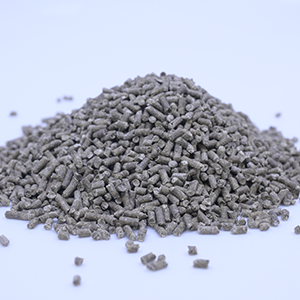
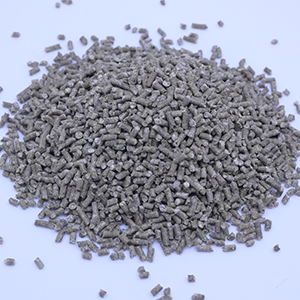
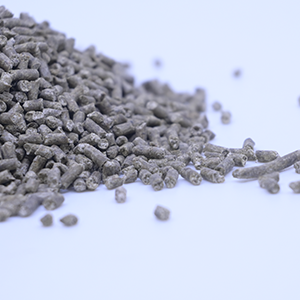
Taiwan generates approximately 300,000 metric tonnes of spent tea leaves each year. This waste has a moisture content exceeding 90%, making it difficult to store and prone to decomposition and unpleasant odours. It is currently disposed of mainly through composting and landfill, but the high cost of collection and transportation and the associated environmental burden remain unresolved. This cat litter is made from spent tea leaves recovered after brewing at beverage-bottling plants. After drying, each tonne of spent tea leaves yields approximately 200 kilograms of material. Approximately 40% of the dried tea leaves is then ground into a fine powder and mixed with a plant-based adhesive, starch and water. The mixture is pelletised and dried to produce the tea-based cat litter. The product disintegrates rapidly upon contact with water. The naturally porous structure of tea leaves also improves water absorption. A six-stage dust-removal process is used during production to reduce airborne dust during use. Tea tannins adsorb odour-causing molecules such as methanethiol and amines, providing a deodorising effect, while catechins provide antibacterial properties. The product has passed SGS testing for pesticide residues, heavy metals, Escherichia coli and aflatoxins. It has also obtained structural patents in Taiwan and Japan, contributing to waste recovery and waste reduction.more
You need to log in as a member to see the relevant information of the factory.
Member Login
Quick login
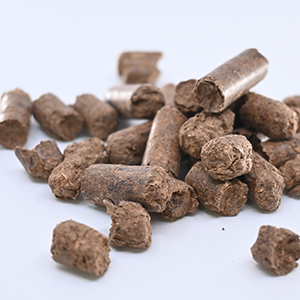
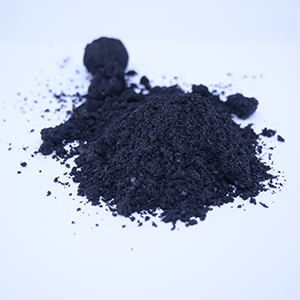
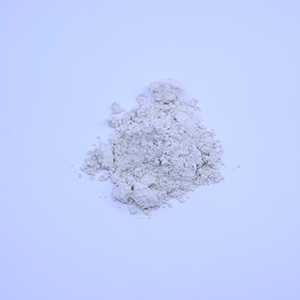
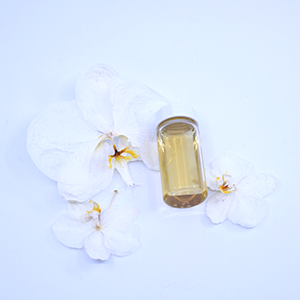
Taiwan generates approximately 300,000 metric tonnes of spent tea leaves each year. This waste has a moisture content exceeding 90%, making it difficult to store and prone to decomposition and unpleasant odours. It is currently disposed of mainly through composting and landfill, but the high cost of collection and transportation and the associated environmental burden remain unresolved. This cat litter is made from spent tea leaves recovered after brewing at beverage-bottling plants. After drying, each tonne of spent tea leaves yields approximately 200 kilograms of material. Approximately 40% of the dried tea leaves is then ground into a fine powder and mixed with a plant-based adhesive, starch and water. The mixture is pelletised and dried to produce the tea-based cat litter. The product disintegrates rapidly upon contact with water. The naturally porous structure of tea leaves also improves water absorption. A six-stage dust-removal process is used during production to reduce airborne dust during use. Tea tannins adsorb odour-causing molecules such as methanethiol and amines, providing a deodorising effect, while catechins provide antibacterial properties. The product has passed SGS testing for pesticide residues, heavy metals, Escherichia coli and aflatoxins. It has also obtained structural patents in Taiwan and Japan, contributing to waste recovery and waste reduction.




 ®Regenerated