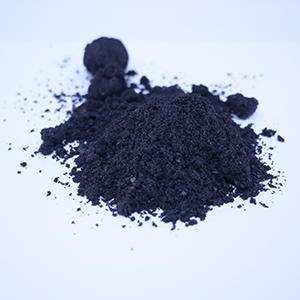
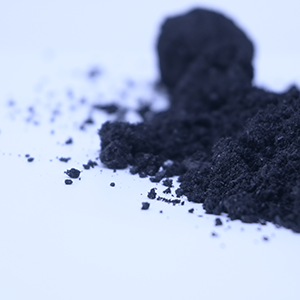
Biochar produced from agricultural waste is internationally recognised as a means of carbon removal and can be used in agricultural and industrial applications. According to available data, every tonne of biochar used can remove 3.6 tonnes of carbon dioxide from the atmosphere. Because of its colour, high specific surface area and excellent thermal stability, biochar is being studied as a replacement for conventional petroleum-derived carbon black and as an additive for plastics, paints and building materials. This biochar-based carbon-black material has obtained European Biochar Certificate (EBC) certification and has been confirmed as complying with the European Union’s RoHS requirements.more
You need to log in as a member to see the relevant information of the factory.
Member Login
Quick login

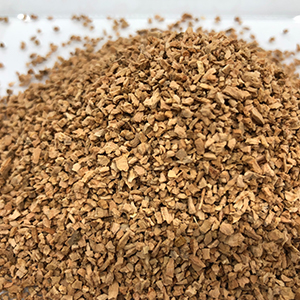
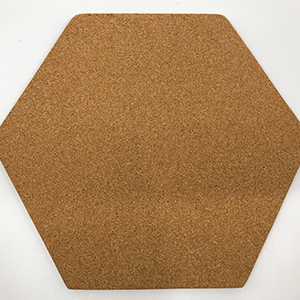
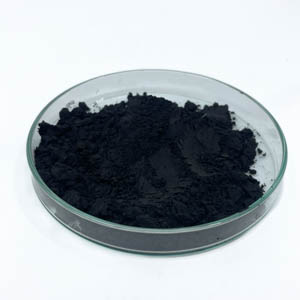
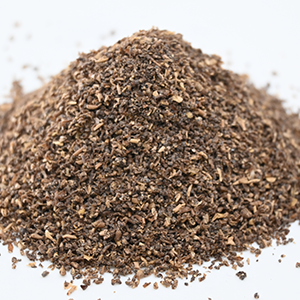
Biochar produced from agricultural waste is internationally recognised as a means of carbon removal and can be used in agricultural and industrial applications. According to available data, every tonne of biochar used can remove 3.6 tonnes of carbon dioxide from the atmosphere. Because of its colour, high specific surface area and excellent thermal stability, biochar is being studied as a replacement for conventional petroleum-derived carbon black and as an additive for plastics, paints and building materials. This biochar-based carbon-black material has obtained European Biochar Certificate (EBC) certification and has been confirmed as complying with the European Union’s RoHS requirements.