Taiwan generates approximately 10,000 metric tonnes of industrial polariser waste each year. Polarisers generally consist of a multilayer structure comprising triacetyl cellulose (TAC), polyvinyl alcohol (PVA) and TAC. As the PVA layer contains iodine molecules, incineration produces purple smoke that causes serious environmental pollution. Incineration is therefore unsuitable as a disposal method. Furthermore, restrictions introduced after 2024 on halogen-containing waste in solid recovered fuel (SRF) prevent the material from being used as fuel. The waste polarisers are crushed to a specified particle size and uniformly mixed with a patented treatment agent. After drying, the mixture is converted into an additive for building materials. The overall process generates no waste gas or wastewater. The additive can be incorporated at a low proportion of less than 1% into building materials such as gypsum board and particleboard. It improves antibacterial and crack-resistant performance without affecting the recycling process. The material has passed SGS antibacterial and crack-resistance testing and has obtained an invention patent in Taiwan.more
You need to log in as a member to see the relevant information of the factory.
Member Login
Quick login

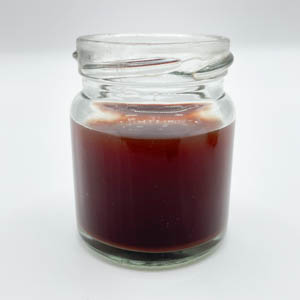
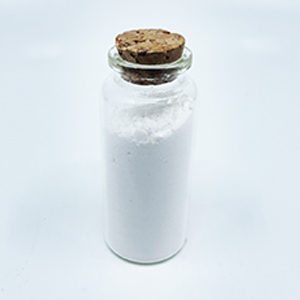
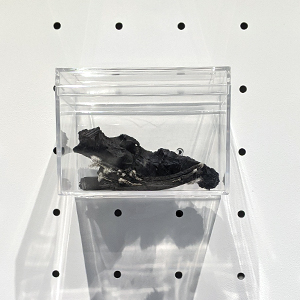
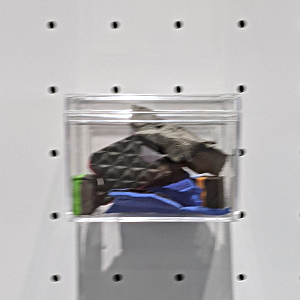
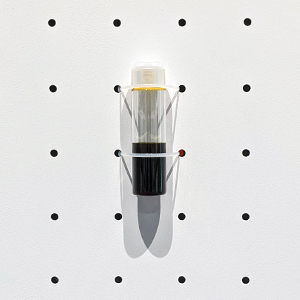
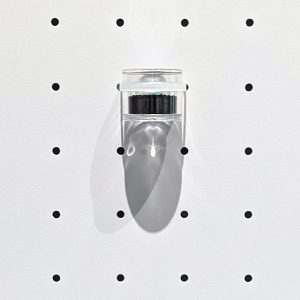
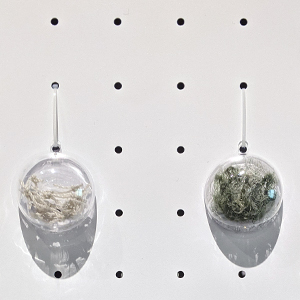
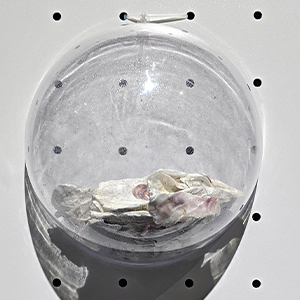
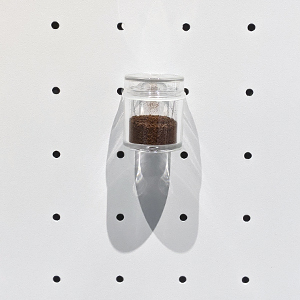
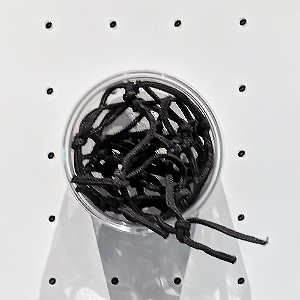
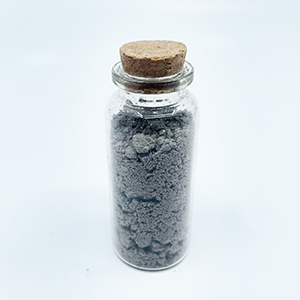
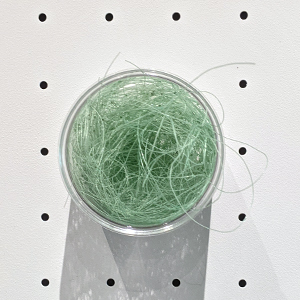
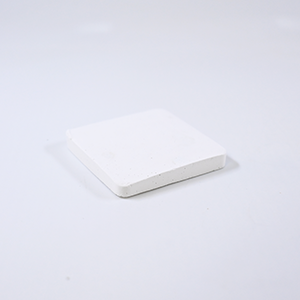
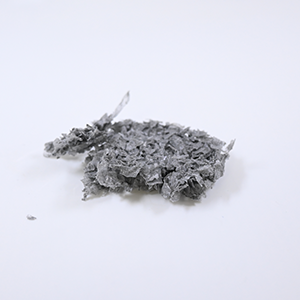
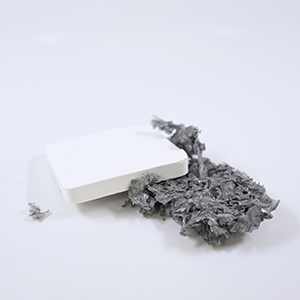
Taiwan generates approximately 10,000 metric tonnes of industrial polariser waste each year. Polarisers generally consist of a multilayer structure comprising triacetyl cellulose (TAC), polyvinyl alcohol (PVA) and TAC. As the PVA layer contains iodine molecules, incineration produces purple smoke that causes serious environmental pollution. Incineration is therefore unsuitable as a disposal method. Furthermore, restrictions introduced after 2024 on halogen-containing waste in solid recovered fuel (SRF) prevent the material from being used as fuel. The waste polarisers are crushed to a specified particle size and uniformly mixed with a patented treatment agent. After drying, the mixture is converted into an additive for building materials. The overall process generates no waste gas or wastewater. The additive can be incorporated at a low proportion of less than 1% into building materials such as gypsum board and particleboard. It improves antibacterial and crack-resistant performance without affecting the recycling process. The material has passed SGS antibacterial and crack-resistance testing and has obtained an invention patent in Taiwan.