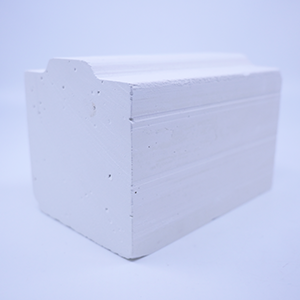
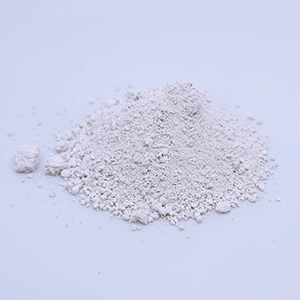
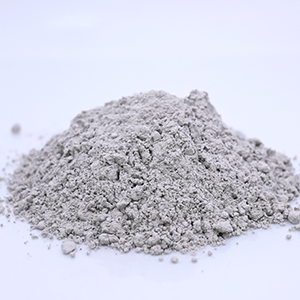
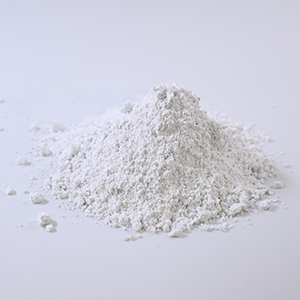
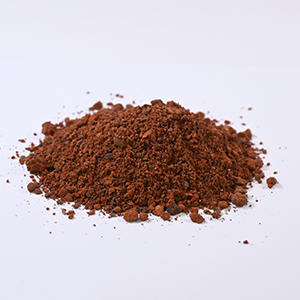
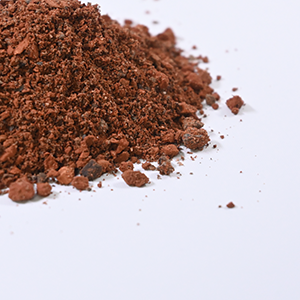
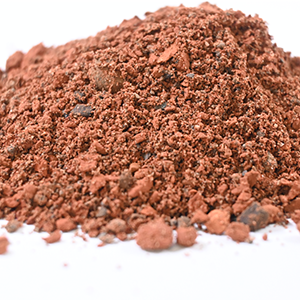
In the past, sand and gravel processing plants were commonly located near rivers. Sand, gravel and crushed stone were screened and processed at these plants to produce aggregate for concrete. In recent years, however, riverside sand and gravel operations have become increasingly restricted because of stronger environmental protection measures and stricter regulations. According to domestic statistics, bricks, tiles, concrete blocks, soil and stone account for approximately 70% of the surplus materials generated by construction and demolition projects, giving them considerable potential for reuse. Discarded red bricks from Category B5 surplus construction soil and stone are therefore recovered and reprocessed. The bricks are first sorted and stockpiled at the demolition site and then transported to a factory for washing, crushing, screening and sand production. The resulting recycled sand aggregate complies with the requirements governing the reuse of Category B5 resources.
This recycled fine aggregate has a porous structure and a high water-absorption rate. When used in concrete mixtures, it can reduce bleeding, prevent laitance, decrease plastic-shrinkage cracking and shorten construction time. The material can also be used in plastering mortar and as a partial replacement for aggregate in ready-mixed concrete. It has obtained Cradle to Cradle Certified™ certification and relevant Class R Green Building Material certification for green concrete made with recycled aggregate.more
You need to log in as a member to see the relevant information of the factory.
Member Login
Quick login
In the past, sand and gravel processing plants were commonly located near rivers. Sand, gravel and crushed stone were screened and processed at these plants to produce aggregate for concrete. In recent years, however, riverside sand and gravel operations have become increasingly restricted because of stronger environmental protection measures and stricter regulations. According to domestic statistics, bricks, tiles, concrete blocks, soil and stone account for approximately 70% of the surplus materials generated by construction and demolition projects, giving them considerable potential for reuse. Discarded red bricks from Category B5 surplus construction soil and stone are therefore recovered and reprocessed. The bricks are first sorted and stockpiled at the demolition site and then transported to a factory for washing, crushing, screening and sand production. The resulting recycled sand aggregate complies with the requirements governing the reuse of Category B5 resources.
This recycled fine aggregate has a porous structure and a high water-absorption rate. When used in concrete mixtures, it can reduce bleeding, prevent laitance, decrease plastic-shrinkage cracking and shorten construction time. The material can also be used in plastering mortar and as a partial replacement for aggregate in ready-mixed concrete. It has obtained Cradle to Cradle Certified™ certification and relevant Class R Green Building Material certification for green concrete made with recycled aggregate.





 ®Regenerated