Marble Slurry Waste

1/

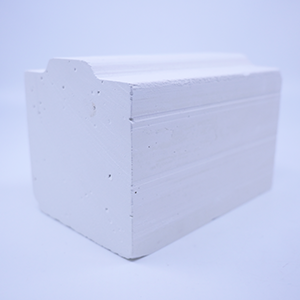
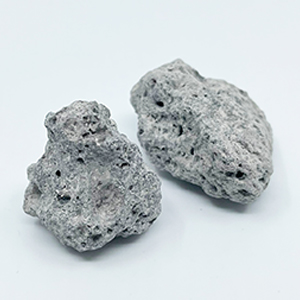
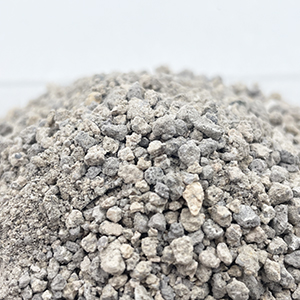
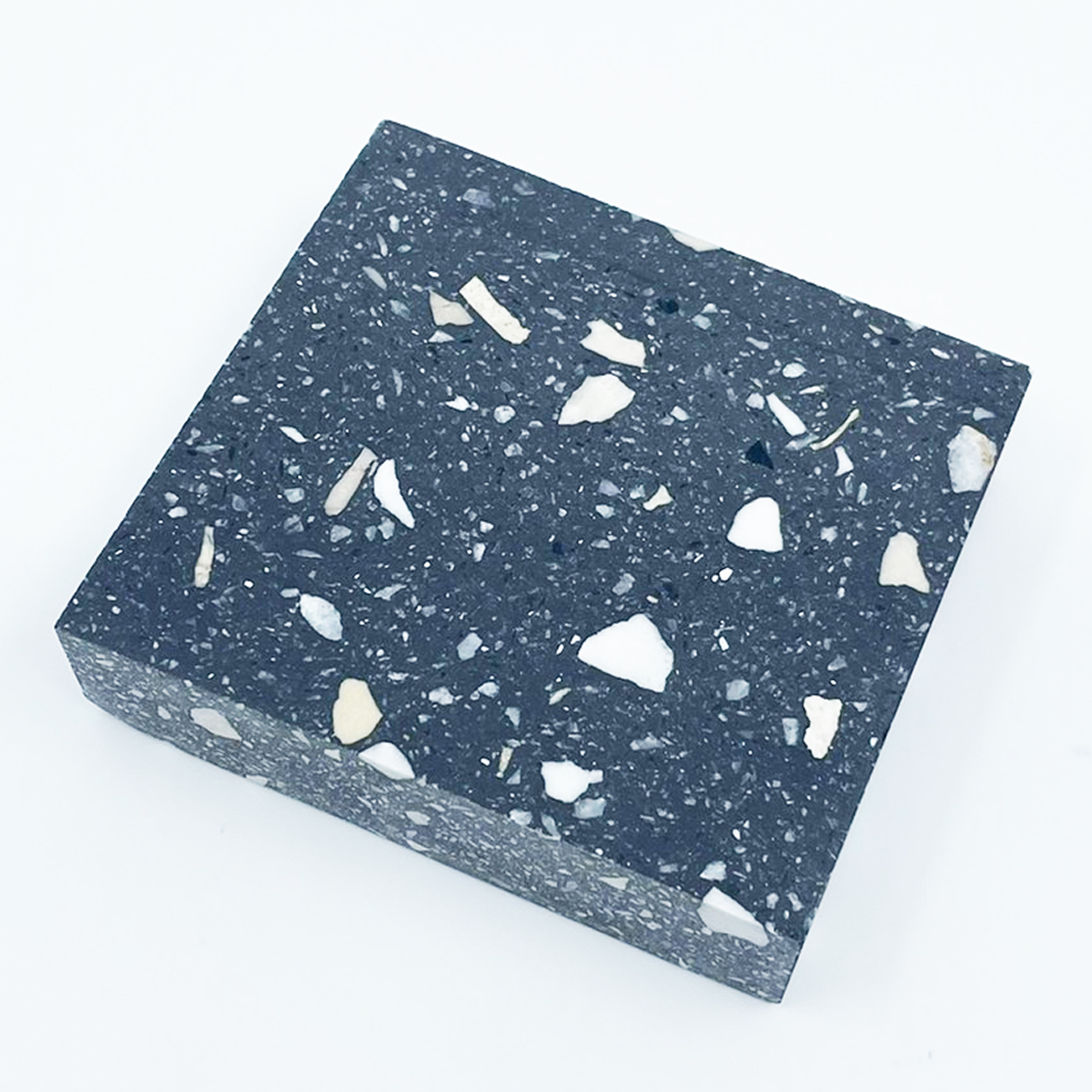
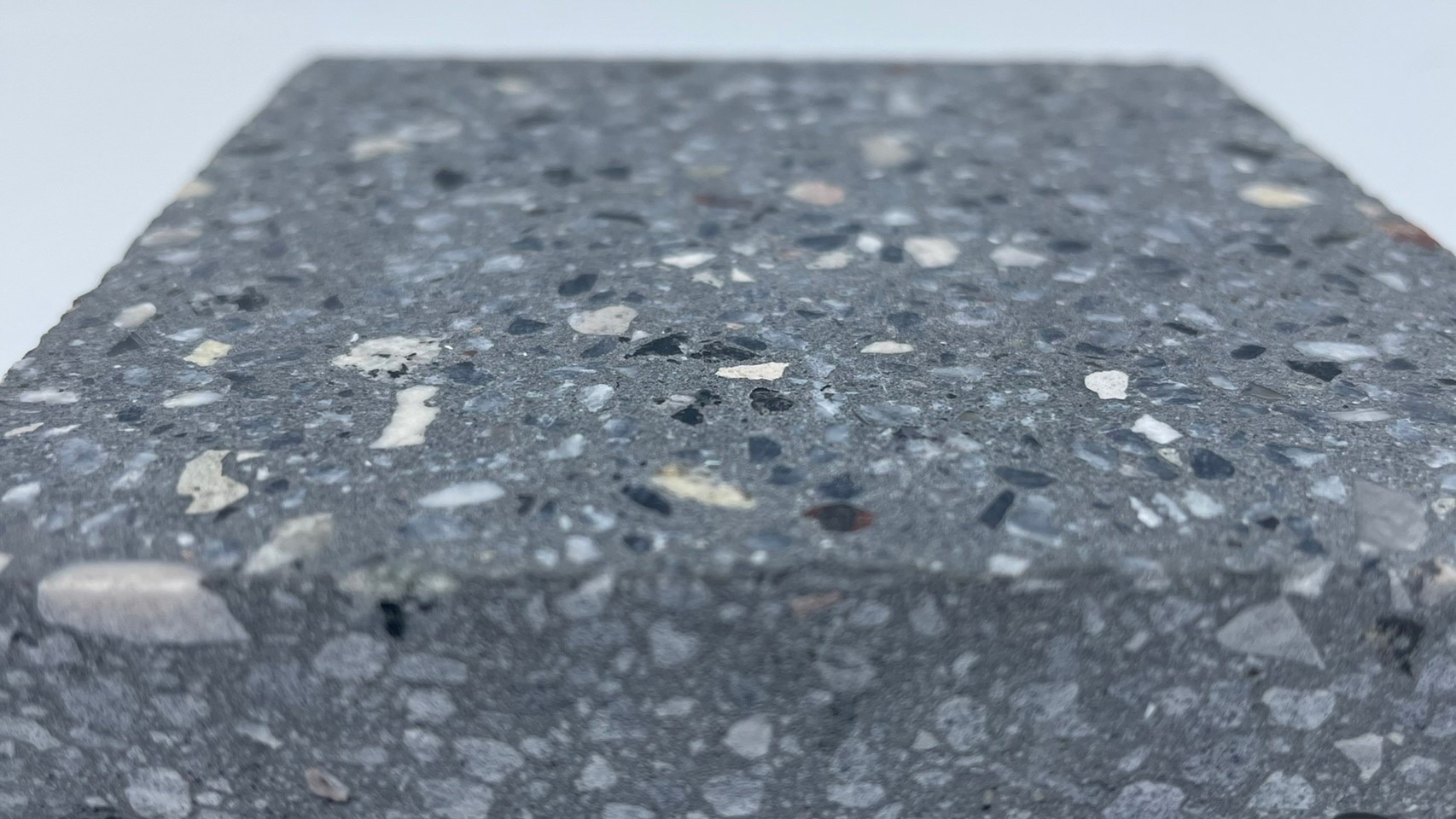
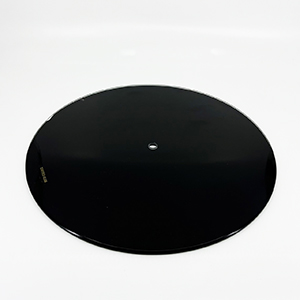
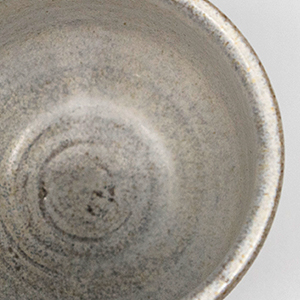
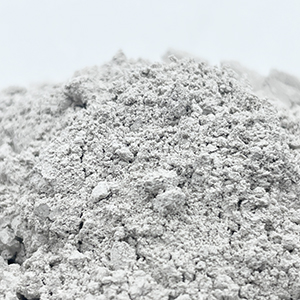
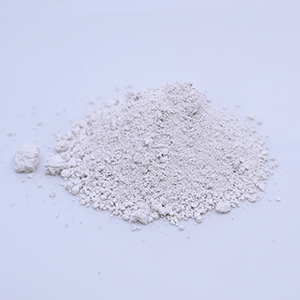
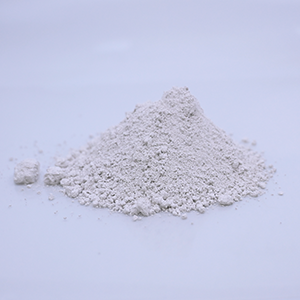
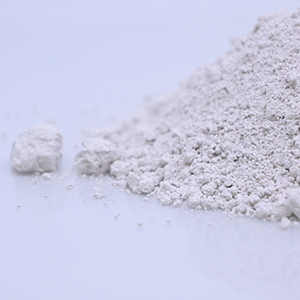
Marble is generally cut using diamond wire or cutting tools without the addition of auxiliary materials. It therefore generates relatively little sludge, accounting for approximately 30–40%. The composition of the sludge remains similar to that of the original stone. The slurry generated during factory sawing and grinding undergoes sedimentation to separate the sand and stone particles. It is then dewatered using a filter press to form a concentrated sludge cake. Subsequent drying, crushing and screening convert the material into marble-sludge powder. The powder can be used as a filler in building materials or as a raw material for cement. Marble-sludge powder, at a proportion of approximately 50%, can also be mixed with calcium hydroxide and silica to produce mineral paint. Biochar powder or red-brick powder may be added as required to adjust the colour. This form of reuse helps reduce stone waste and can be applied in building materials and interior design. more
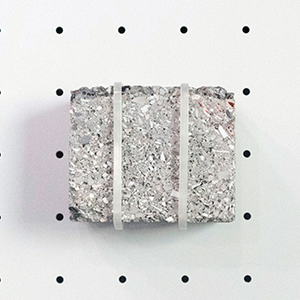
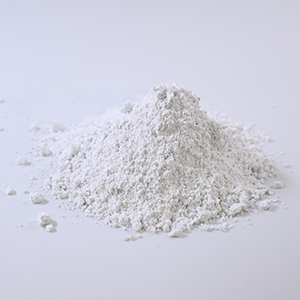
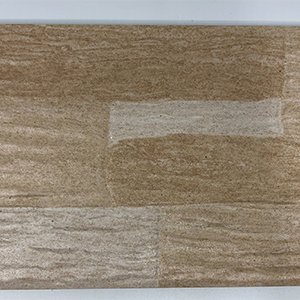
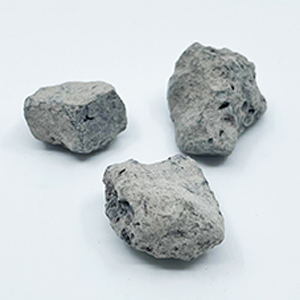
Marble is generally cut using diamond wire or cutting tools without the addition of auxiliary materials. It therefore generates relatively little sludge, accounting for approximately 30–40%. The composition of the sludge remains similar to that of the original stone. The slurry generated during factory sawing and grinding undergoes sedimentation to separate the sand and stone particles. It is then dewatered using a filter press to form a concentrated sludge cake. Subsequent drying, crushing and screening convert the material into marble-sludge powder. The powder can be used as a filler in building materials or as a raw material for cement. Marble-sludge powder, at a proportion of approximately 50%, can also be mixed with calcium hydroxide and silica to produce mineral paint. Biochar powder or red-brick powder may be added as required to adjust the colour. This form of reuse helps reduce stone waste and can be applied in building materials and interior design.