Granite Sludge Waste

1/

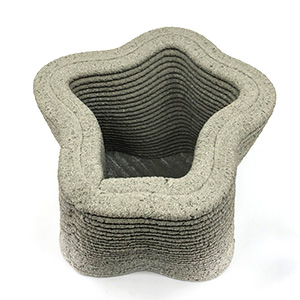
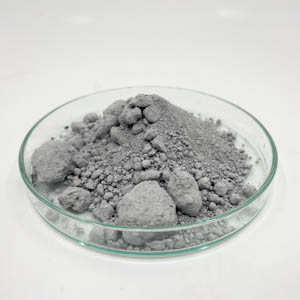
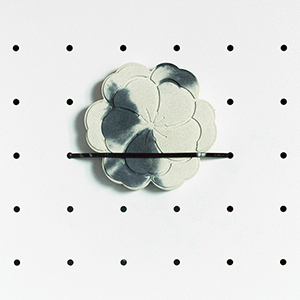
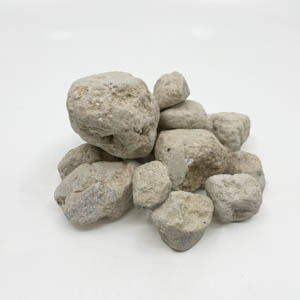
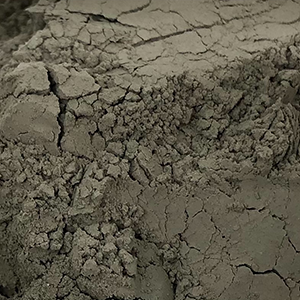
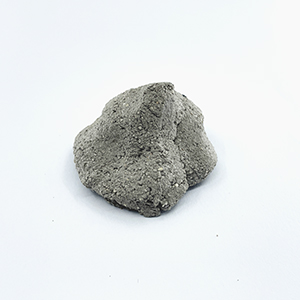
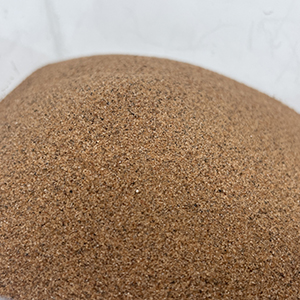
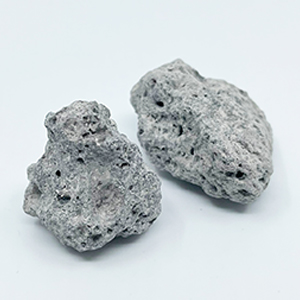
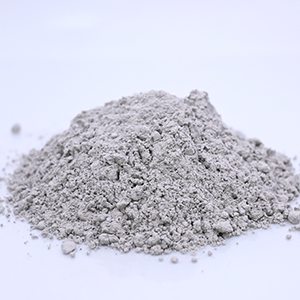
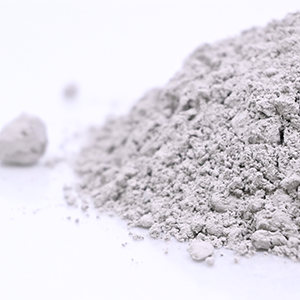
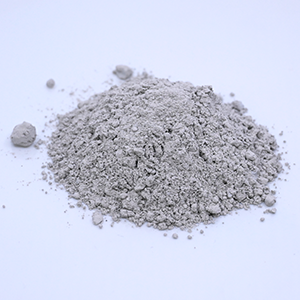
Taiwan’s stone industry generates more than 460,000 metric tonnes of stone waste each year, of which approximately 370,000 metric tonnes is stone sludge. Granite is widely used in public works, exterior walls, paving and structural building materials. As the volume of granite processed exceeds that of marble, granite generates a greater amount of sludge, accounting for approximately 60–70%. Steel grit and milk of lime are required during the gang-saw cutting of granite. The resulting sludge therefore contains relatively high proportions of iron and calcium and has relatively high alkalinity. The slurry generated during sawing and grinding undergoes sedimentation to separate the sand and stone particles. It is then dewatered using a filter press to form a concentrated sludge cake. Subsequent drying, crushing and screening convert the material into granite-sludge powder. The powder can be used as a filler in building materials or as a partial substitute for cement raw materials. Granite-sludge powder, at a proportion of approximately 20%, can also be mixed with glass sand and calcium oxide and cast into differently shaped bodies for use in building materials. more
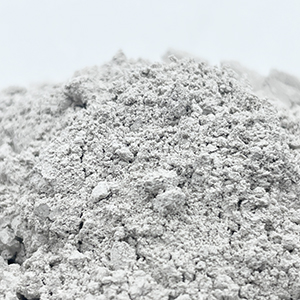
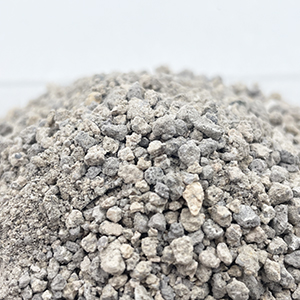
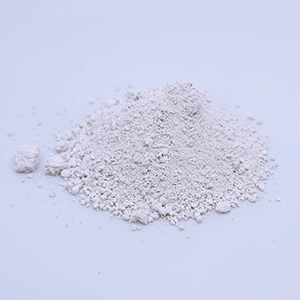
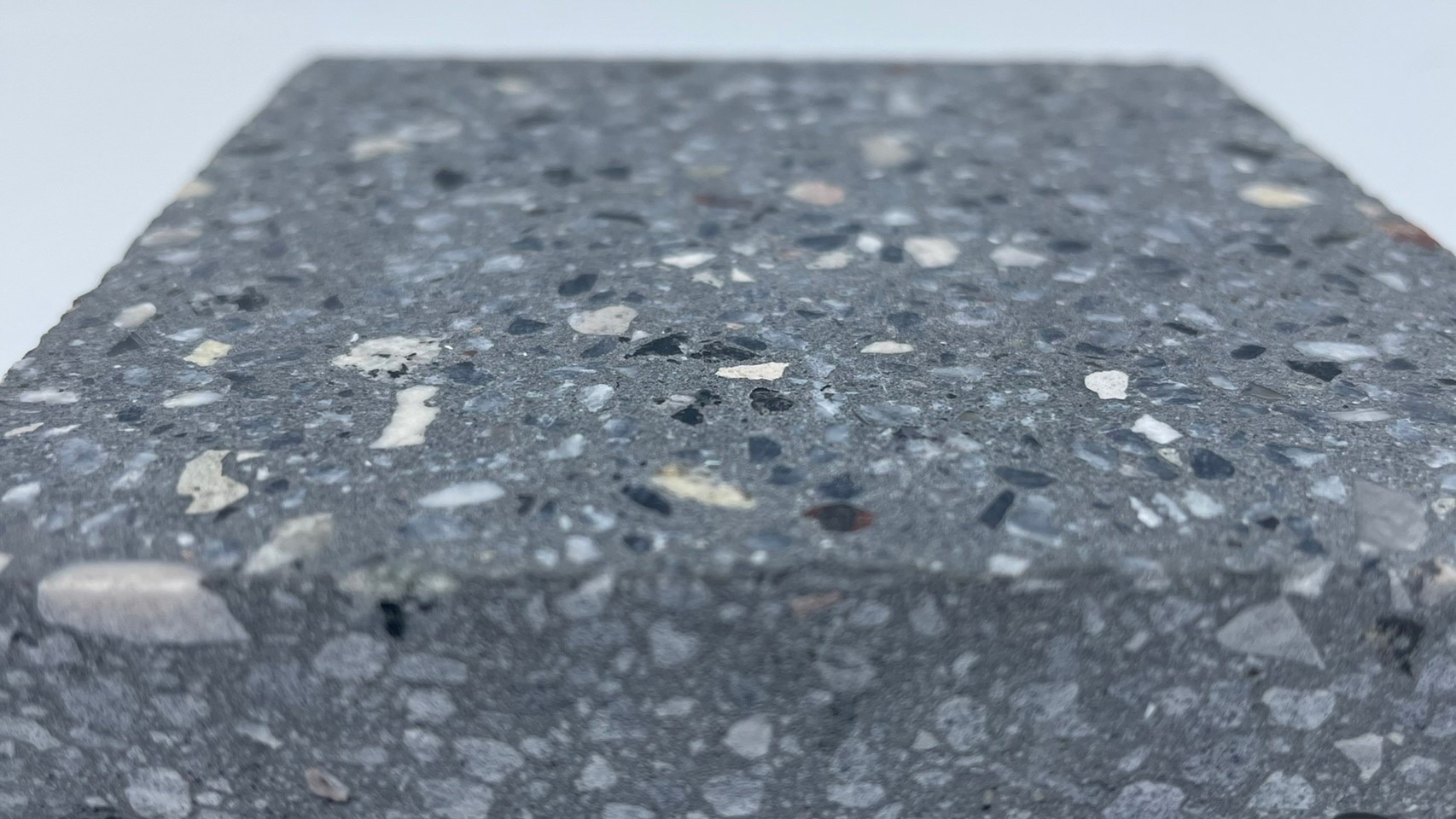
Taiwan’s stone industry generates more than 460,000 metric tonnes of stone waste each year, of which approximately 370,000 metric tonnes is stone sludge. Granite is widely used in public works, exterior walls, paving and structural building materials. As the volume of granite processed exceeds that of marble, granite generates a greater amount of sludge, accounting for approximately 60–70%. Steel grit and milk of lime are required during the gang-saw cutting of granite. The resulting sludge therefore contains relatively high proportions of iron and calcium and has relatively high alkalinity. The slurry generated during sawing and grinding undergoes sedimentation to separate the sand and stone particles. It is then dewatered using a filter press to form a concentrated sludge cake. Subsequent drying, crushing and screening convert the material into granite-sludge powder. The powder can be used as a filler in building materials or as a partial substitute for cement raw materials. Granite-sludge powder, at a proportion of approximately 20%, can also be mixed with glass sand and calcium oxide and cast into differently shaped bodies for use in building materials.