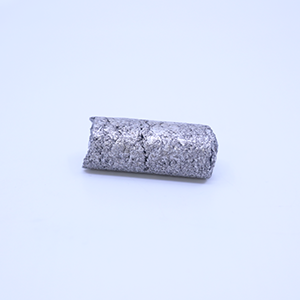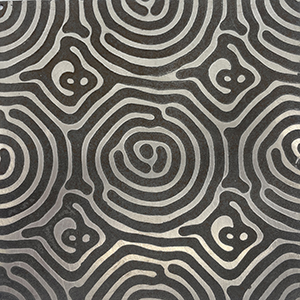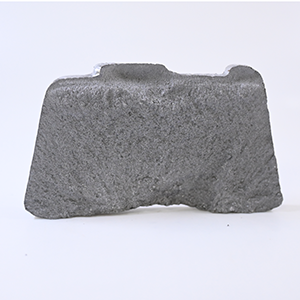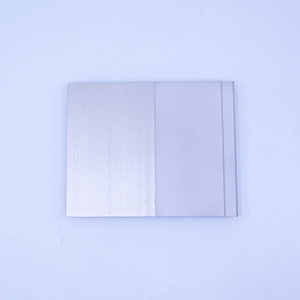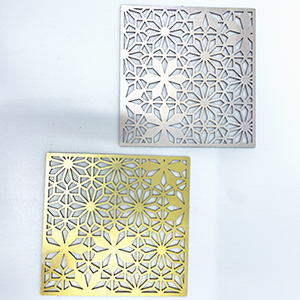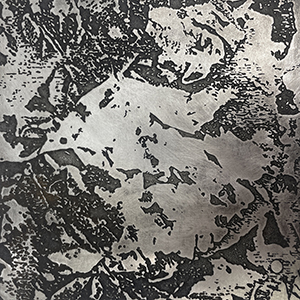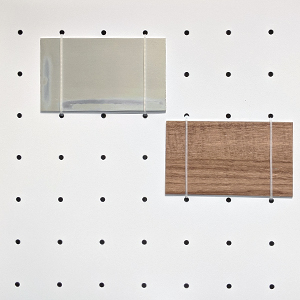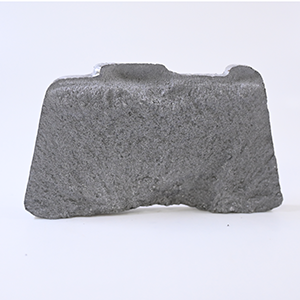
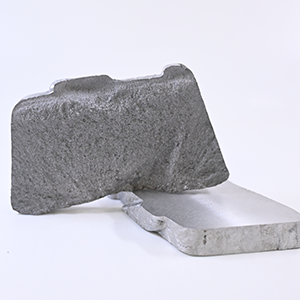
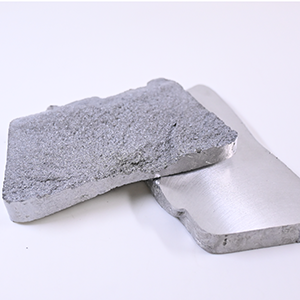
Recycled aluminium alloy ingots are produced primarily from aluminium waste, such as aluminium casings, wheel rims, window frames, extrusions and aluminium-alloy manufacturing offcuts. The waste undergoes sorting, melting, degassing, impurity removal, filtration and casting. The proportions of alloying elements such as silicon, copper and magnesium are adjusted according to product requirements to control properties such as castability and hardness. Aluminium alloy has a density of approximately 2.7 g/cm³, a high strength-to-weight ratio, good thermal conductivity of approximately 237 W/m·K, and good electrical conductivity. It can be repeatedly remelted with little deterioration in its material properties. Applications include automotive and motorcycle parts, machinery components, hardware products and other cast products. According to the Carbon Footprint Emission Database, recycled aluminium generates approximately 0.70 kg CO₂e/kg, compared with 9.85 kg CO₂e/kg for primary aluminium, representing a reduction of approximately 90% in carbon emissions. The material has obtained SGS recycled-content verification and ISO 14067 product carbon-footprint verification.more
You need to log in as a member to see the relevant information of the factory.
Member Login
Quick login

Recycled aluminium alloy ingots are produced primarily from aluminium waste, such as aluminium casings, wheel rims, window frames, extrusions and aluminium-alloy manufacturing offcuts. The waste undergoes sorting, melting, degassing, impurity removal, filtration and casting. The proportions of alloying elements such as silicon, copper and magnesium are adjusted according to product requirements to control properties such as castability and hardness. Aluminium alloy has a density of approximately 2.7 g/cm³, a high strength-to-weight ratio, good thermal conductivity of approximately 237 W/m·K, and good electrical conductivity. It can be repeatedly remelted with little deterioration in its material properties. Applications include automotive and motorcycle parts, machinery components, hardware products and other cast products. According to the Carbon Footprint Emission Database, recycled aluminium generates approximately 0.70 kg CO₂e/kg, compared with 9.85 kg CO₂e/kg for primary aluminium, representing a reduction of approximately 90% in carbon emissions. The material has obtained SGS recycled-content verification and ISO 14067 product carbon-footprint verification.