Ethylene Vinyl Alcohol (EVOH) Film

1/

Ethylene–vinyl alcohol copolymer (EVOH) film is a high-barrier packaging material in which EVOH serves as the principal barrier layer. EVOH is produced by first copolymerising ethylene with vinyl acetate (VAc) to form EVA, which is then converted through saponification. The resulting material is extruded and pelletised to produce EVOH resin pellets. The pellets can be processed into film through blown-film extrusion, cast-film extrusion, co-extrusion or coating. EVOH is commonly combined with materials such as PE, PP and PET in multilayer structures to improve moisture resistance and processing stability. EVOH provides excellent barriers against oxygen, nitrogen and odours. It can reduce quality deterioration caused by oxidation and extend product shelf life. However, because EVOH itself provides relatively poor resistance to water vapour, it is generally used with hydrophobic materials such as PE. EVOH film is widely used in vacuum food packaging, modified-atmosphere packaging (MAP), medical packaging, cosmetic packaging and high-barrier industrial packaging. It can partially replace barrier materials such as aluminium foil or polyvinylidene chloride (PVDC), reducing the amount of composite materials used and providing greater flexibility in packaging design. more
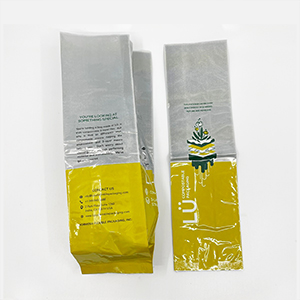
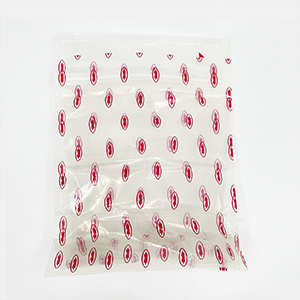
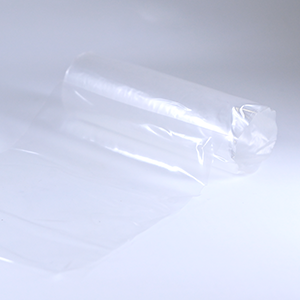
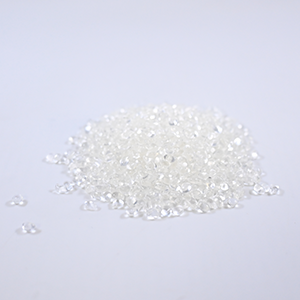
Ethylene–vinyl alcohol copolymer (EVOH) film is a high-barrier packaging material in which EVOH serves as the principal barrier layer. EVOH is produced by first copolymerising ethylene with vinyl acetate (VAc) to form EVA, which is then converted through saponification. The resulting material is extruded and pelletised to produce EVOH resin pellets. The pellets can be processed into film through blown-film extrusion, cast-film extrusion, co-extrusion or coating. EVOH is commonly combined with materials such as PE, PP and PET in multilayer structures to improve moisture resistance and processing stability. EVOH provides excellent barriers against oxygen, nitrogen and odours. It can reduce quality deterioration caused by oxidation and extend product shelf life. However, because EVOH itself provides relatively poor resistance to water vapour, it is generally used with hydrophobic materials such as PE. EVOH film is widely used in vacuum food packaging, modified-atmosphere packaging (MAP), medical packaging, cosmetic packaging and high-barrier industrial packaging. It can partially replace barrier materials such as aluminium foil or polyvinylidene chloride (PVDC), reducing the amount of composite materials used and providing greater flexibility in packaging design.