Polyvinyl Alcohol Film

1/

PVA film is produced by heating and mixing polyvinyl alcohol (PVA) with water, followed by coating, drying and peeling. Its thickness is controlled at approximately 30 µm, allowing it to dissolve completely in water at temperatures between 25°C and 35°C. This water-soluble film offers high transparency, good extensibility, oxygen-barrier properties and printability. Its dissolution rate and tensile strength can be modified by adjusting its thickness and molecular weight. PVA can be broken down by bacteria in soil. After the PVA is oxidised by bacteria, hydrolytic enzymes break its oxidised molecular chains, ultimately degrading it into carbon dioxide and water. Unprinted film offcuts can be recovered through dissolution, filtration and drying and then reprocessed into new film. During storage, environmental humidity must be controlled and the material kept dry. The film is widely used for water-transfer printing films, polariser-protection films, pesticide packaging and laundry capsules. more
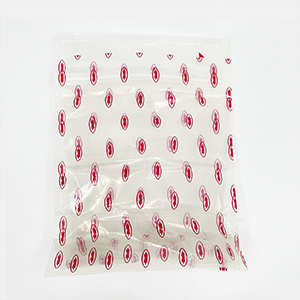
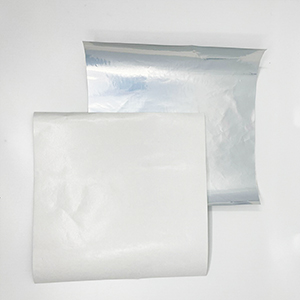
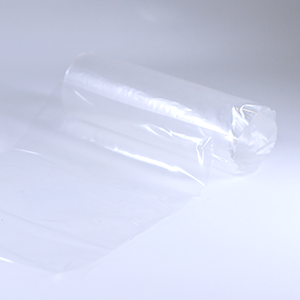
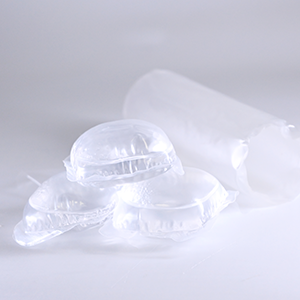
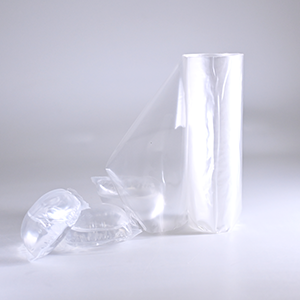
PVA film is produced by heating and mixing polyvinyl alcohol (PVA) with water, followed by coating, drying and peeling. Its thickness is controlled at approximately 30 µm, allowing it to dissolve completely in water at temperatures between 25°C and 35°C. This water-soluble film offers high transparency, good extensibility, oxygen-barrier properties and printability. Its dissolution rate and tensile strength can be modified by adjusting its thickness and molecular weight. PVA can be broken down by bacteria in soil. After the PVA is oxidised by bacteria, hydrolytic enzymes break its oxidised molecular chains, ultimately degrading it into carbon dioxide and water. Unprinted film offcuts can be recovered through dissolution, filtration and drying and then reprocessed into new film. During storage, environmental humidity must be controlled and the material kept dry. The film is widely used for water-transfer printing films, polariser-protection films, pesticide packaging and laundry capsules.