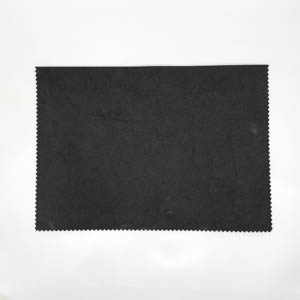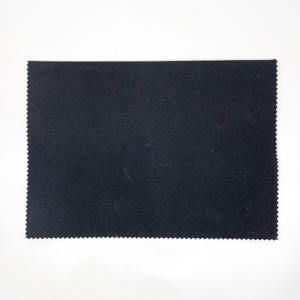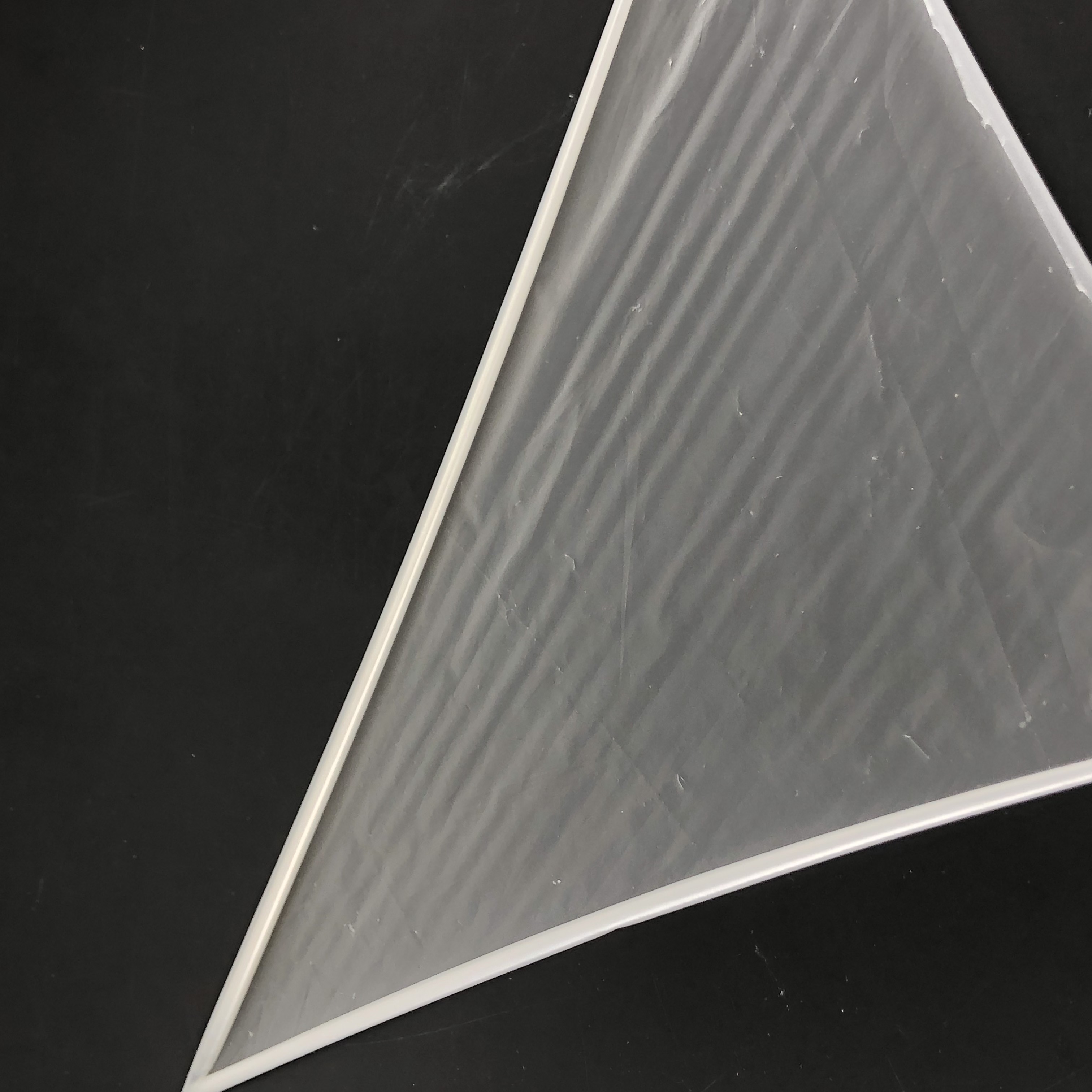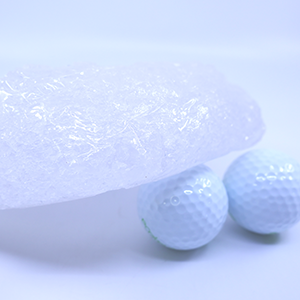

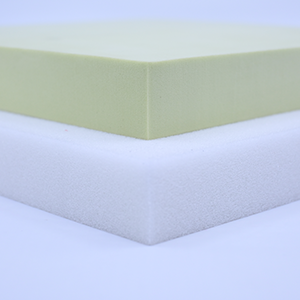
This bio-based ethylene-vinyl acetate (EVA) foam is produced using bioethanol derived from sugarcane through biomass fermentation, followed by polymerisation with ethylene. Testing conducted by Beta Analytic confirmed that the material has a bio-based content of 78%. The EVA foam offers physical properties comparable to those of conventional petrochemical-based foam, including a Shore C hardness of 28–42 and a density of 45–90 kg/m³. It can replace conventional petrochemical-based EVA foam in applications such as footwear materials, furniture and protective equipment.more
You need to log in as a member to see the relevant information of the factory.
Member Login
Quick login

This bio-based ethylene-vinyl acetate (EVA) foam is produced using bioethanol derived from sugarcane through biomass fermentation, followed by polymerisation with ethylene. Testing conducted by Beta Analytic confirmed that the material has a bio-based content of 78%. The EVA foam offers physical properties comparable to those of conventional petrochemical-based foam, including a Shore C hardness of 28–42 and a density of 45–90 kg/m³. It can replace conventional petrochemical-based EVA foam in applications such as footwear materials, furniture and protective equipment.