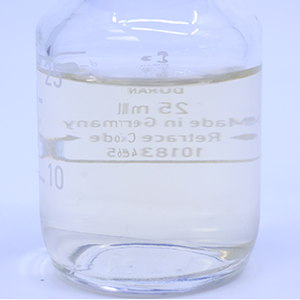
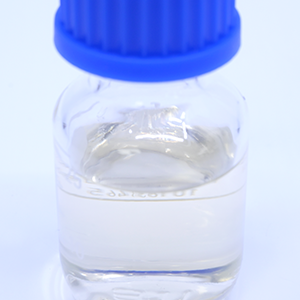
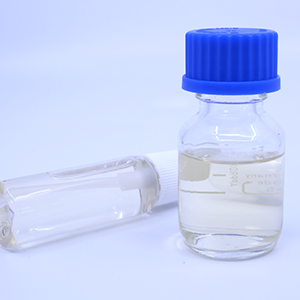
Mikania micrantha is an invasive alien plant originating from Central and South America. It grows rapidly, entwining and covering native vegetation, obstructing photosynthesis, affecting crop growth and causing ecological imbalance. The affected area currently covers approximately 3,000 hectares. The Council of Agriculture designated the period from 15 August to 15 September each year as Mikania micrantha Control Month. Traditional removal methods mainly involve cutting, burial or incineration. Approximately 30 kilograms of vinegar liquid can be extracted from every 100 kilograms of Mikania micrantha. The plant is air-dried to a moisture content of approximately 15%, placed in an electrically heated mechanical kiln, heated to 600°C and held at that temperature for one hour. The resulting vapours are condensed, and the liquids collected in the receptacle are combined to produce the vinegar liquid. Taiwan biting-midge larvae feed mainly on moss. Experiments have confirmed that the liquid inhibits moss growth, thereby suppressing the breeding of Taiwan biting midges. The phenolic and nitrogen-containing compounds in the liquid also have mosquito-repellent properties. SGS testing found no residual heavy metals and confirmed an inhibition rate of up to 99.9% against Staphylococcus aureus. The liquid can be used in mosquito repellents and cleaning products.more
You need to log in as a member to see the relevant information of the factory.
Member Login
Quick login
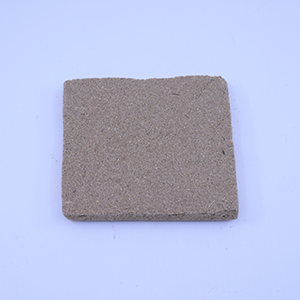
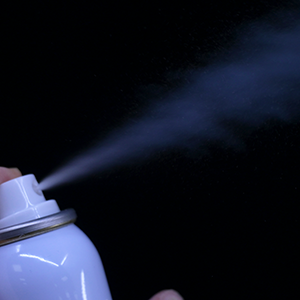
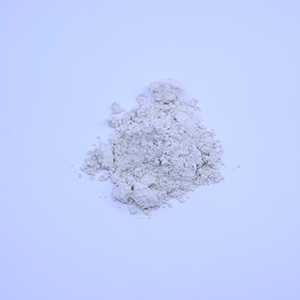
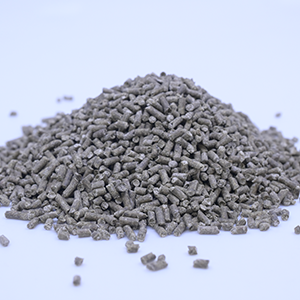
Mikania micrantha is an invasive alien plant originating from Central and South America. It grows rapidly, entwining and covering native vegetation, obstructing photosynthesis, affecting crop growth and causing ecological imbalance. The affected area currently covers approximately 3,000 hectares. The Council of Agriculture designated the period from 15 August to 15 September each year as Mikania micrantha Control Month. Traditional removal methods mainly involve cutting, burial or incineration. Approximately 30 kilograms of vinegar liquid can be extracted from every 100 kilograms of Mikania micrantha. The plant is air-dried to a moisture content of approximately 15%, placed in an electrically heated mechanical kiln, heated to 600°C and held at that temperature for one hour. The resulting vapours are condensed, and the liquids collected in the receptacle are combined to produce the vinegar liquid. Taiwan biting-midge larvae feed mainly on moss. Experiments have confirmed that the liquid inhibits moss growth, thereby suppressing the breeding of Taiwan biting midges. The phenolic and nitrogen-containing compounds in the liquid also have mosquito-repellent properties. SGS testing found no residual heavy metals and confirmed an inhibition rate of up to 99.9% against Staphylococcus aureus. The liquid can be used in mosquito repellents and cleaning products.





 ®Regenerated