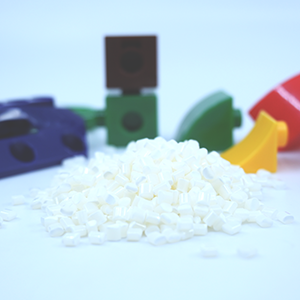
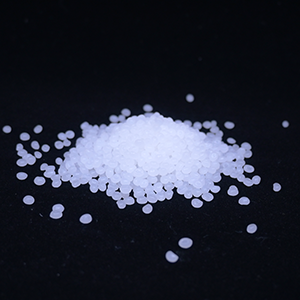
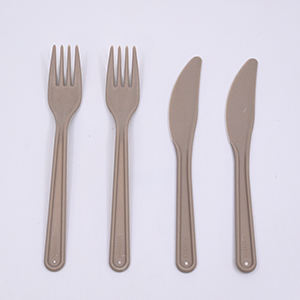
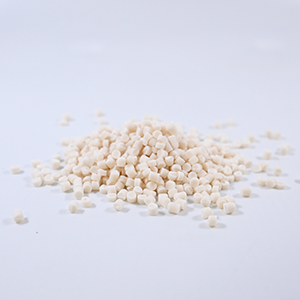
Cellulose acetate is produced from natural cellulose, such as cotton and wood pulp, through esterification. The CA masterbatch consists of 70% cellulose acetate and 30% food-grade plasticiser and has a bio-based carbon content of approximately 57%. Bio-based plastics are made from renewable resources, such as plants, agricultural waste or microorganisms, rather than conventional petroleum-derived raw materials. The transparency of the material can be controlled by adjusting the proportions of cotton and wood pulp used.
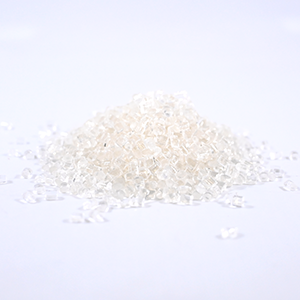
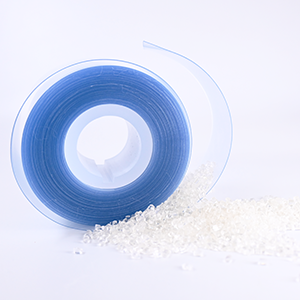
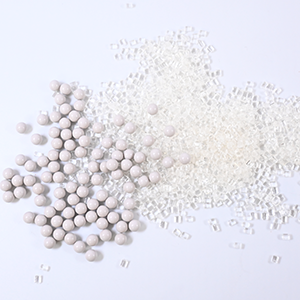
CA masterbatch offers transparency, mouldability and antibacterial properties. It is suitable for injection moulding, extrusion and blown-film processing and can be used to produce BB pellets, blister packaging and various packaging containers. The proportion used can be adjusted according to the application. For example, the proportion is approximately 30% for drinking straws and 70% for shoelace films. The raw materials have obtained ISCC PLUS and DIN CERTCO certification and have passed relevant antibacterial and freshness-preservation testing in Taiwan and the United States.more
You need to log in as a member to see the relevant information of the factory.
Member Login
Quick login
Cellulose acetate is produced from natural cellulose, such as cotton and wood pulp, through esterification. The CA masterbatch consists of 70% cellulose acetate and 30% food-grade plasticiser and has a bio-based carbon content of approximately 57%. Bio-based plastics are made from renewable resources, such as plants, agricultural waste or microorganisms, rather than conventional petroleum-derived raw materials. The transparency of the material can be controlled by adjusting the proportions of cotton and wood pulp used.
CA masterbatch offers transparency, mouldability and antibacterial properties. It is suitable for injection moulding, extrusion and blown-film processing and can be used to produce BB pellets, blister packaging and various packaging containers. The proportion used can be adjusted according to the application. For example, the proportion is approximately 30% for drinking straws and 70% for shoelace films. The raw materials have obtained ISCC PLUS and DIN CERTCO certification and have passed relevant antibacterial and freshness-preservation testing in Taiwan and the United States.





 ※ Antibacterial