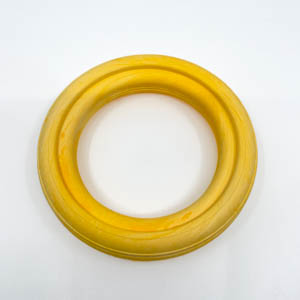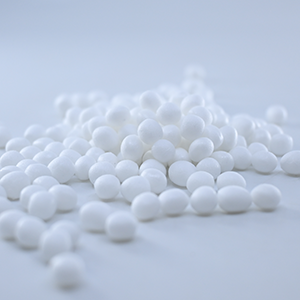
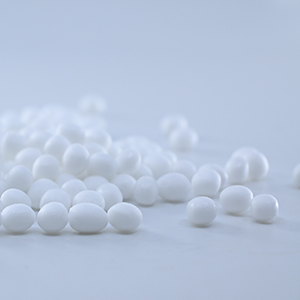
Conventional foam-moulding processes generally use cross-linking agents, making the resulting foam difficult to recycle. Expanded thermoplastic polyurethane (ETPU), by contrast, is produced from thermoplastic polyurethane (TPU) through a physical foaming process that does not create cross-linked structures. This makes the material easier to recover and recycle at the end of its useful life. ETPU offers low-temperature resistance down to −25°C, a high rebound rate exceeding 65%, and excellent resistance to permanent deformation, withstanding more than 120,000 flexing cycles.
The material is suitable for steam moulding and hot-press moulding and can be used to manufacture products such as bicycle saddles and footwear outsoles.more
You need to log in as a member to see the relevant information of the factory.
Member Login
Quick login

Conventional foam-moulding processes generally use cross-linking agents, making the resulting foam difficult to recycle. Expanded thermoplastic polyurethane (ETPU), by contrast, is produced from thermoplastic polyurethane (TPU) through a physical foaming process that does not create cross-linked structures. This makes the material easier to recover and recycle at the end of its useful life. ETPU offers low-temperature resistance down to −25°C, a high rebound rate exceeding 65%, and excellent resistance to permanent deformation, withstanding more than 120,000 flexing cycles.
The material is suitable for steam moulding and hot-press moulding and can be used to manufacture products such as bicycle saddles and footwear outsoles.