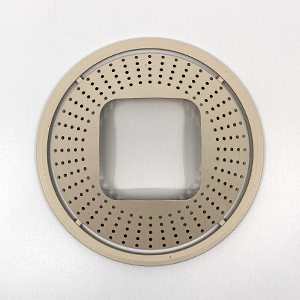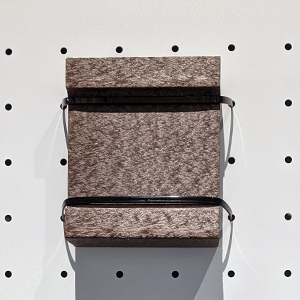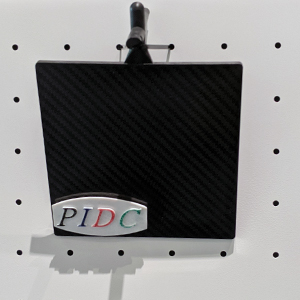
Polymethyl methacrylate (PMMA), commonly known as acrylic, is a highly transparent thermoplastic with light transmittance of up to 92%. It offers excellent optical properties and weather resistance. PMMA is primarily recycled through pyrolysis. Acrylic waste is decomposed at 350–500°C in an oxygen-deficient environment to form gaseous methyl methacrylate (MMA) monomers. These are then condensed and purified through precision distillation to obtain high-purity recycled methyl methacrylate (rMMA). The purified rMMA can be used to manufacture new acrylic sheets, enabling chemical recycling. Depending on subsequent processing requirements, rMMA can be blended with virgin MMA in different proportions to produce acrylic sheets with different tensile properties. These sheets can be used for display stands, advertising signs and everyday products, while reducing raw-material extraction and energy consumption in petrochemical processes.more
You need to log in as a member to see the relevant information of the factory.
Member Login
Quick login

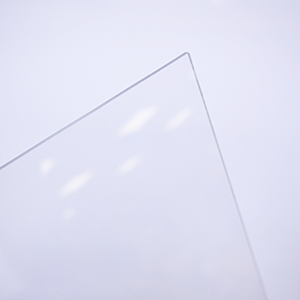
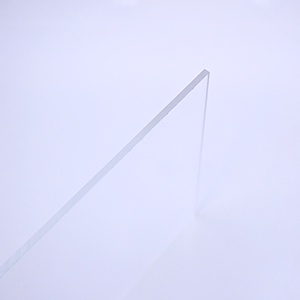
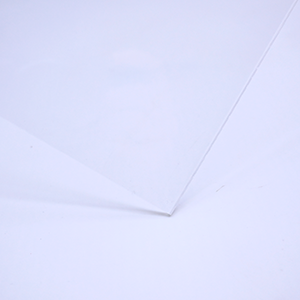
Polymethyl methacrylate (PMMA), commonly known as acrylic, is a highly transparent thermoplastic with light transmittance of up to 92%. It offers excellent optical properties and weather resistance. PMMA is primarily recycled through pyrolysis. Acrylic waste is decomposed at 350–500°C in an oxygen-deficient environment to form gaseous methyl methacrylate (MMA) monomers. These are then condensed and purified through precision distillation to obtain high-purity recycled methyl methacrylate (rMMA). The purified rMMA can be used to manufacture new acrylic sheets, enabling chemical recycling. Depending on subsequent processing requirements, rMMA can be blended with virgin MMA in different proportions to produce acrylic sheets with different tensile properties. These sheets can be used for display stands, advertising signs and everyday products, while reducing raw-material extraction and energy consumption in petrochemical processes.