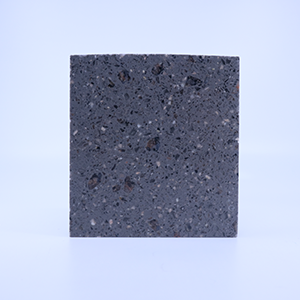
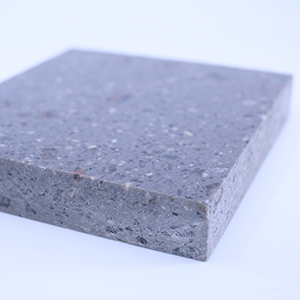
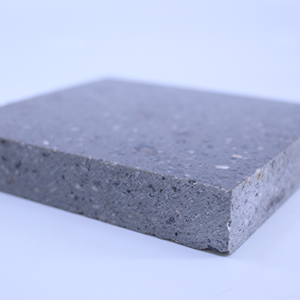
Taiwan generates tens of millions of metric tonnes of construction and demolition (C&D) waste each year. This material uses construction waste that is difficult to recycle, such as waste glass and ceramics. The waste is dismantled, sorted, crushed, screened and ground into powder. It is then combined with quartz powder and 7–10% resin, followed by mixing, moulding, curing at 100°C, cutting and sanding. Depending on the properties of the recovered materials used, the resulting panels can have a Mohs hardness approaching 7, a water absorption rate as low as approximately 0.03%, resistance to acids and alkalis, and heat resistance up to 450°C. The panels are suitable for use as interior building materials. After disposal, they can be recycled again to produce recycled quartz stone.more
You need to log in as a member to see the relevant information of the factory.
Member Login
Quick login

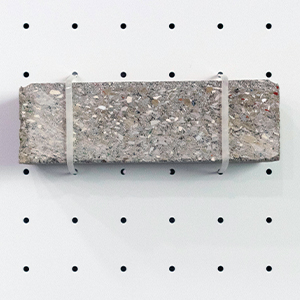
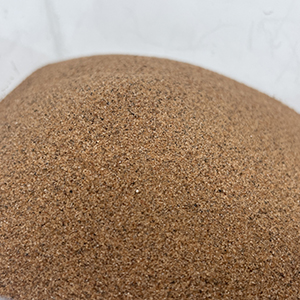
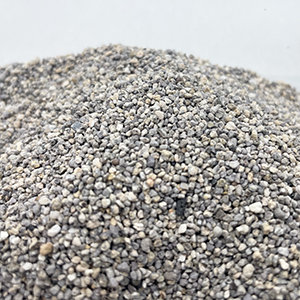
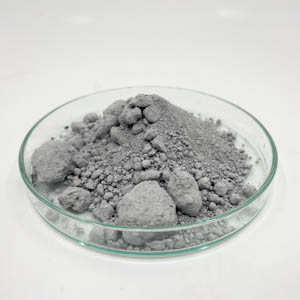
Taiwan generates tens of millions of metric tonnes of construction and demolition (C&D) waste each year. This material uses construction waste that is difficult to recycle, such as waste glass and ceramics. The waste is dismantled, sorted, crushed, screened and ground into powder. It is then combined with quartz powder and 7–10% resin, followed by mixing, moulding, curing at 100°C, cutting and sanding. Depending on the properties of the recovered materials used, the resulting panels can have a Mohs hardness approaching 7, a water absorption rate as low as approximately 0.03%, resistance to acids and alkalis, and heat resistance up to 450°C. The panels are suitable for use as interior building materials. After disposal, they can be recycled again to produce recycled quartz stone.